
Heart health
Cardiovascular
risk prevention
See how your health history, test results and daily life fit together. Use this guide to prepare for a conversation about your heart health.
General health education for a conversation with your clinician.

What shapes your heart health?
Blood pressure, cholesterol and blood sugar each tell part of the story. Your clinician also considers your history and what’s happening in your life.
-
Health history
Age, family history and health conditions are part of the picture.
-
Health measurements
Blood pressure, cholesterol, blood sugar and kidney function can help inform your care.
-
Daily life and access
Smoking or nicotine use, activity, sleep, and access to food, safe spaces and care can all matter.
Heart health in daily life
Time, budget, mobility and the people around you shape what’s possible. Bring those details into the conversation.
 Meals you already enjoy
Start with familiar foods you can access and enjoy. Beans, lentils, vegetables and whole grains can fit many of the meals you already make.
 Movement that fits
A short outing with a neighbour or movement indoors may fit your routine. Ask what’s appropriate for your mobility and health.
 Sleep and support
If shifts, caregiving or stress make rest difficult, tell your clinician. Bring up sleep concerns and ask what support might help.
From a result to a plan
One result can lead to several different questions. Your clinician can explain which decisions apply to you and when you’ll revisit them.

-
What does this result mean?
Classification describes how a result fits the guidance for that measurement.
-
Does it need to be confirmed?
Your clinician may repeat a measurement or ask for readings outside the clinic.
-
What’s my overall risk?
Risk assessment brings the result together with other factors, including your health history.
-
When should we consider treatment?
A treatment threshold helps guide when to discuss starting or adjusting treatment.
-
What should I aim for?
When a target applies, agree on a goal with your clinician and review it together.
Topics to bring up
Start with the result, symptom or habit you most want to understand.
-
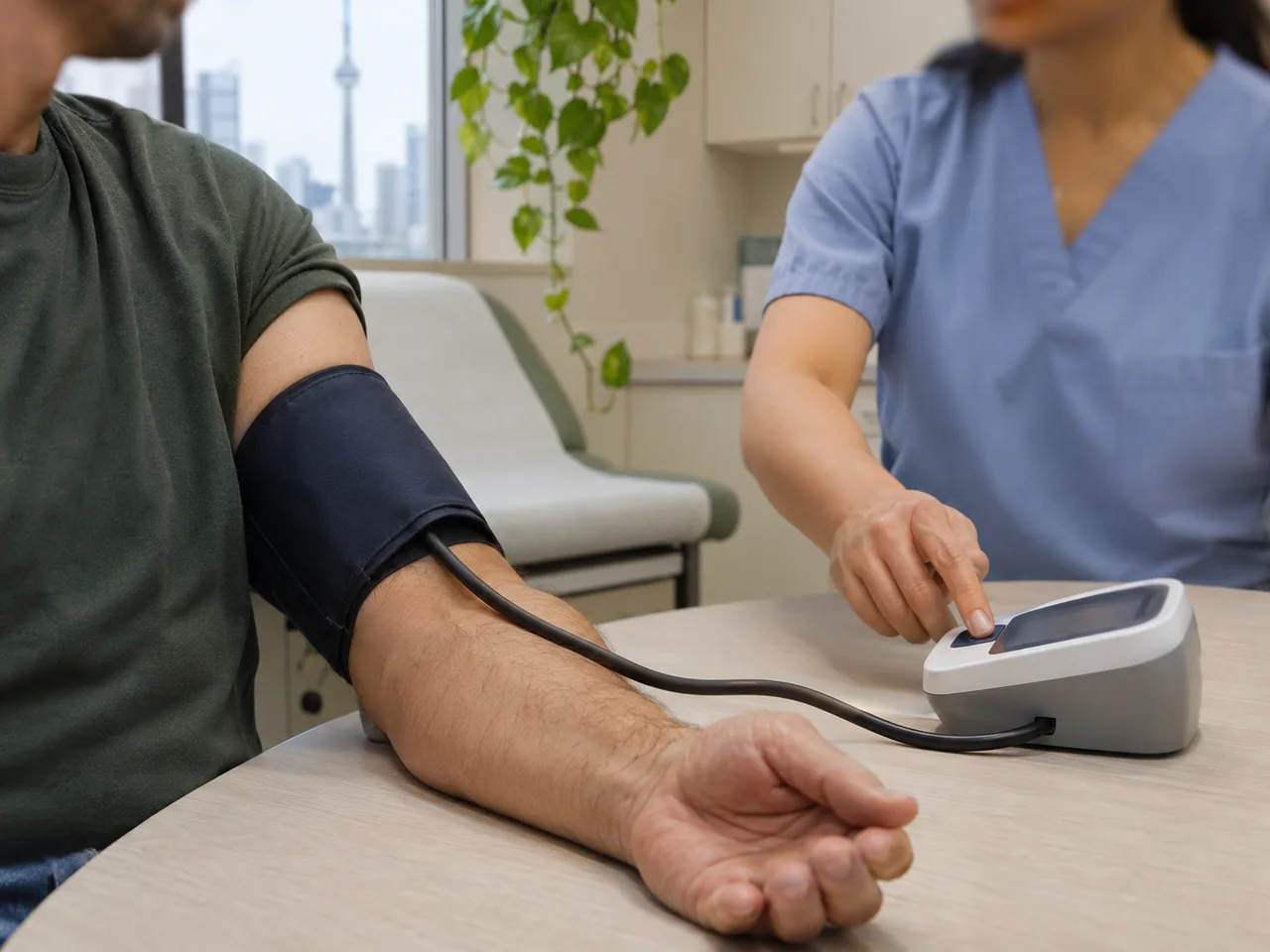 Blood pressure
Ask about measurement technique, home monitoring and patterns over time.
Open the blood pressure guide -
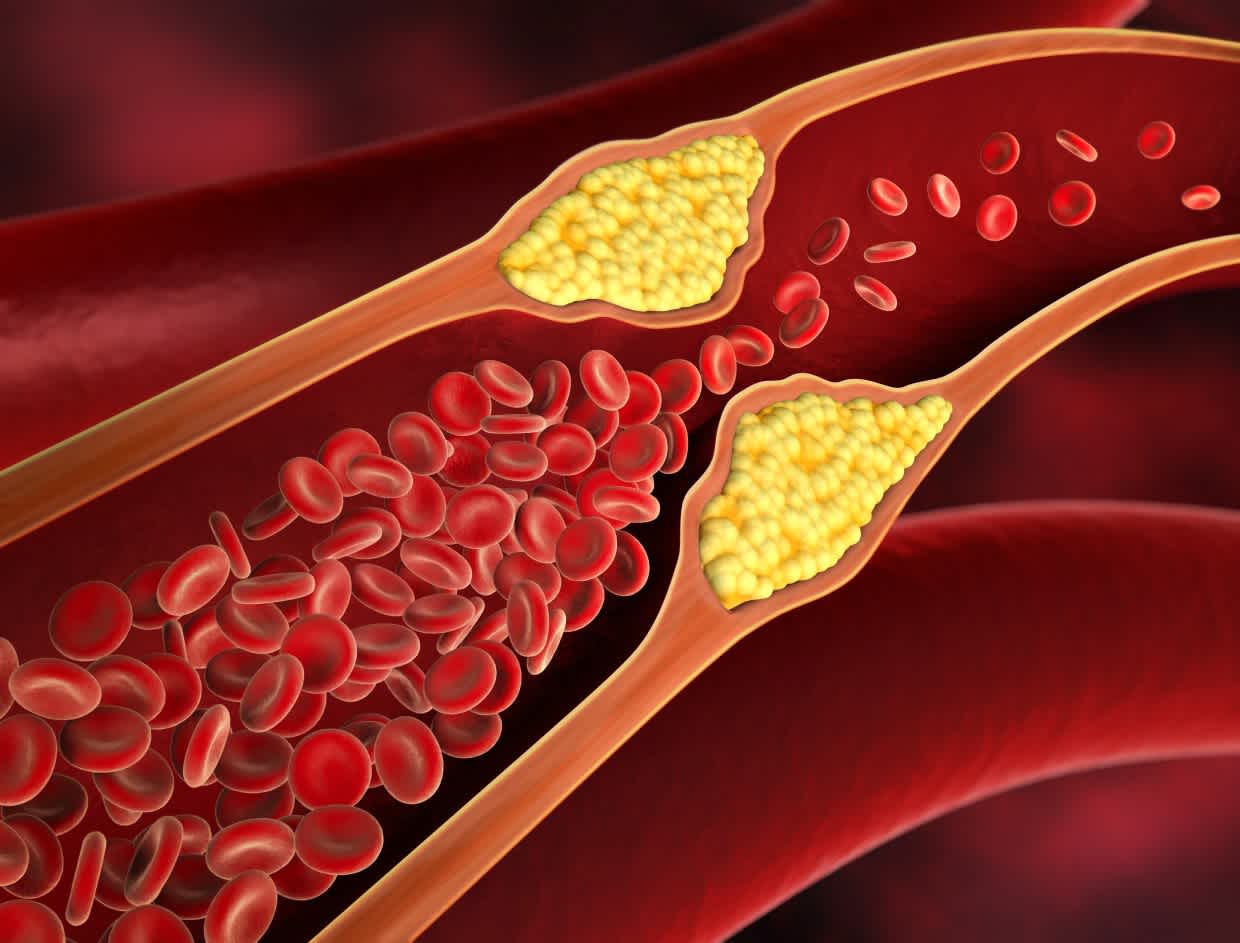 Cholesterol
Ask what LDL, non-HDL cholesterol and triglycerides mean in your situation.
Open the cholesterol guide -
 Diabetes and blood sugar
Ask whether your blood sugar or diabetes risk should be reviewed.
Open the diabetes guide -
 Smoking and nicotine
Ask about support for cutting down or quitting and bring your questions about vaping.
Open the smoking and nicotine guide -
 Kidney health
Ask how kidney function or urine test results may affect your prevention plan.
-
 Movement and sleep
Talk about your activity, possible sleep apnea, stress and the support you have.
See daily-life cards
Questions for my clinician
Mark the questions you want to bring up at your next visit.
Your selections reset when you refresh the page.

What may be useful to bring
- An up-to-date medication and supplement list
- Home readings, if requested by your clinician
- Relevant lab or imaging reports
- Smoking or nicotine history, if you wish to discuss it
- One or two questions that matter most to you
- Your health card or ID, if the clinic requested it
Trusted sources
Canadian guidance informs this guide. Your clinician can explain how it applies to your health and any conditions you have.
- C-CHANGE · CanadaCardiovascular prevention guideline (opens in a new tab)
- Heart & Stroke · CanadaHeart disease risk and prevention (opens in a new tab)
- Public Health Agency of CanadaHeart disease prevention and risks (opens in a new tab)
- Health CanadaCanada’s Food Guide recommendations (opens in a new tab)
- Canadian Cardiovascular SocietyCardiovascular guidelines (opens in a new tab)
- PEER · CanadaSimplified lipid guideline (PDF) (opens in a new tab)
- BC Guidelines · CanadaCardiovascular disease in primary care (opens in a new tab)
- Ontario HealthCardiovascular rehabilitation standards (opens in a new tab)
- American Heart Association · United StatesLife’s Essential 8 (opens in a new tab)
- European Society of Cardiology · EuropeCardiovascular prevention guidelines (opens in a new tab)
Clinically reviewed by Dr. Eduardo Jacques on .