
Health first
Better sleep, easier movement and improved quality of life can all be meaningful goals.
Explore a care visitObesity and healthy weight
Weight, body size and health are shaped by biology, sleep, stress, medications, food access and more. Use this guide to explore your options and prepare for a thoughtful conversation with your care team.

Start with the bigger picture
Obesity is a chronic health condition. A useful visit considers how you feel and function, your daily circumstances and what matters most to you.
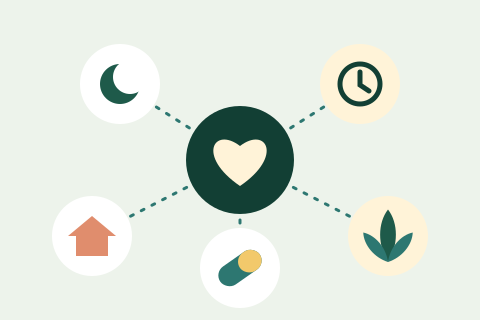
Better sleep, easier movement and improved quality of life can all be meaningful goals.
Explore a care visitBiology, medications, sleep, stress and social conditions can all affect weight.
See what an assessment coversFollow-up and support for maintaining health improvements are part of the plan.
Explore treatment choicesYour clinician should ask permission before discussing weight or measuring you. Tell the team what language, equipment and level of privacy would help you feel comfortable.
BMI and risk
Body mass index (BMI) is calculated from height and weight. A clinician uses it alongside measures of body composition or waist size, symptoms and health history.

This adult screening range is often called “overweight.” Health risk varies. Waist measures, ethnicity-specific thresholds, symptoms and other conditions can help put it in context.
Adult research commonly uses this threshold to define obesity. Your clinician also considers your health and function before discussing testing or treatment.
Canadian guidance commonly considers medication at BMI 30 kg/m² or higher, or at BMI 27 kg/m² or higher with a weight-related health complication, alongside support for health behaviours.
See the medication guideIf you see a separate rule about “two risk factors,” ask what program or insurance policy it applies to. Coverage and clinical decisions use different criteria.
BMI has limits for muscular adults, older adults and people from different ethnic backgrounds. Your clinician may also consider blood pressure, blood sugar, cholesterol, sleep and mobility when relevant.
Central adiposity
Fat around the abdomen can be related to risks such as type 2 diabetes and heart disease. Waist circumference is one part of a broader assessment.

Clinicians may consider waist size or waist-to-height ratio alongside body composition, blood pressure and lab results.
Reference points can vary with ethnicity and clinical circumstances, including pregnancy.
Ask how a measurement would help. You can request privacy, decline a measurement or ask for an explanation before deciding.
A practical, patient-centred visit
The Canadian 5As approach gives you and your clinician a way to work together. You can pause, ask questions and choose goals that fit your life.

Your clinician asks permission to discuss weight, health or measurements. You can say what you would like to talk about first.
Together you review your health, daily function, sleep, mood, medications and the barriers that affect your care.
See what an assessment may coverTalk through the available options and what you can realistically expect from each.
Choose goals that matter to you and make a plan you can revisit as your needs change.
Decide what follow-up would help, including nutrition, movement, mental-health or specialist support.
The assessment
Clinicians sometimes use the 4Ms to organize the conversation around your needs, goals and circumstances. Explore each card for a question you could bring.
Mood, sleep, stress, eating concerns, trauma and your relationship with food.
What you could ask “Can we talk about my sleep and stress?”
Breathing, sleep apnea, pain, joints, reflux, mobility and daily function.
What you could ask “What could make it easier to move or do daily tasks?”
Blood pressure, blood sugar, cholesterol, liver health, reproductive health and medications.
What you could ask “Which health measures would be useful to follow?”
The circumstances around your health, including food access, culture, income, housing, work and caregiving.
What you could ask “How can we make the plan fit my budget and schedule?”
Your clinician may also use the Edmonton Obesity Staging System to consider how weight-related complications affect your health and daily function. Obesity Canada’s assessment guidance
Mobility and function
A goal might be walking farther, getting up from a chair more comfortably, carrying groceries or feeling safer during daily activities. What would you like to do more easily?

Talk about pain, breathlessness, strength, balance and fatigue. Movement can benefit your health even if your weight stays the same.
Physiotherapy, occupational therapy, accessible equipment, pacing and gradual strength work may make movement more manageable.
Choose activities that work with your time, energy, access, safety and interests.
Treatment options
Care can combine several kinds of support. Where you start depends on your health goals, previous experiences, preferences and what you can access.
Dr. Eduardo Jacques, a nurse at Albany Medical Clinic, or a specialist in your Toronto community can help you talk through what’s changed and plan next steps. Dr. Jacques’s assistant can help you reach the care team.
Build routines around food, movement, sleep and stress that feel manageable and support your health.
See everyday supportsDepending on the medicine and your health needs, prescription options may support appetite, blood sugar or long-term maintenance.
Read the medication guideDietitians, pharmacists, physiotherapists, mental-health professionals and community programs can help with different parts of your plan.
Explore programs and coverage in OntarioA care team may consider bariatric or metabolic surgery after a comprehensive assessment and a discussion about long-term follow-up.
See how referrals workMedication guide
GLP-1 is a hormone your body makes. These prescription medicines act on pathways that help regulate appetite, fullness and blood sugar. Prescribers generally start at a low dose and increase it gradually as tolerated.

Semaglutide · Weekly
Authorized in Canada for chronic weight management in eligible patients.
Semaglutide · Type 2 diabetes
Shares an active ingredient with Wegovy. Approved uses, doses and coverage differ by product.
Liraglutide · Daily
Authorized for chronic weight management. Victoza contains liraglutide and is used in diabetes care.
Tirzepatide · Weekly
Acts on two hormone pathways and is authorized in Canada for chronic weight management.
Health Canada warns about unauthorized and counterfeit GLP-1 products. Ask your clinician or pharmacist about approved options if cost or supply is a concern.
Read the Health Canada advisoryExplore the options discussed in Canada’s 2025 adult obesity guideline. A prescriber can help you compare benefits, side effects, interactions, cost and what may happen if treatment stops.
GLP-1 receptor agonist
GIP and GLP-1 receptor agonist
GLP-1 receptor agonist
Combination tablet
Fat absorption inhibitor
It can reduce absorption of some vitamins. Ask about multivitamin timing.
For specific genetic conditions
Stomach and bowel symptoms can occur as the dose increases. Contact your prescriber about dose changes. Seek urgent assessment for severe or persistent symptoms.
See when to get urgent helpCanadian guidance commonly considers BMI 30 kg/m² or higher, or 27 kg/m² or higher with a weight-related complication. Waist measures, background, pregnancy plans, medical history and cost also matter.
Canadian guideline update (PDF)Bariatric and metabolic surgery
Options such as sleeve gastrectomy and gastric bypass can improve health for some people. A bariatric team helps you weigh the benefits, risks and follow-up before deciding.

Talk through health conditions, previous care, medications, mental health, eating concerns, pregnancy plans and your goals.
Ontario programs use a physician referral. A team reviews your health and readiness and discusses what surgery would involve.
After surgery, your team helps you monitor nutrition, vitamins, medication absorption, mental health and other long-term needs.
Adults may be considered for surgical assessment at BMI 35 kg/m² or higher, or at BMI 30–34.9 kg/m² with a weight-related health condition. Ask your referring clinician to confirm the current program criteria and next steps.
Ontario referral criteria from London Health Sciences CentreEveryday supports
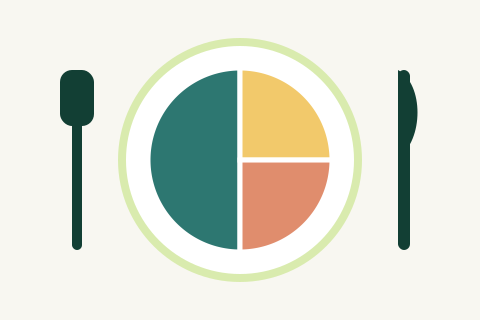
Choose an eating pattern you can sustain. A dietitian can help you work with food access, culture, appetite, other health needs and previous eating concerns.
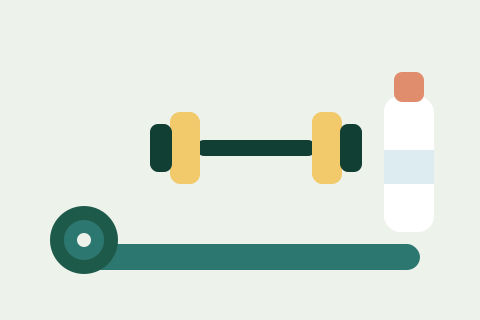
Start with safe, enjoyable activity that supports strength, confidence and daily function. Change the plan as your needs change.
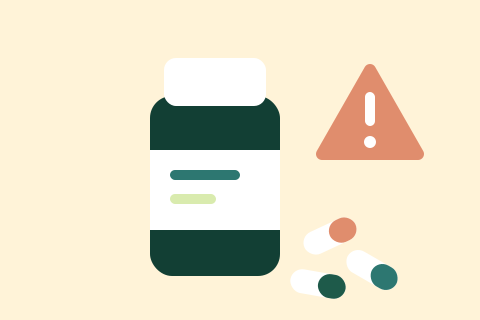
Some supplements can help with a documented deficiency. Ask a pharmacist about possible interactions or harms before using products advertised for weight loss.
Short videos from hospitals and health organizations I trust. Watch at your own pace, and bring your questions to your next visit.

Gastrointestinal Society Canadian source
Short video
Explains why obesity is a chronic disease and outlines the ways it can be managed.
Watch on YouTubeThese videos are for general education and do not replace advice from your own doctor. If you have urgent symptoms, call 911 or go to the nearest emergency department.
Ontario care
Coverage depends on your eligibility, the specific service or drug and why it is needed. Confirm the details with the program, pharmacist or insurer.

Urgent help
Contact your care team for severe mood changes, a rapid decline in daily function or an eating concern that feels unsafe.
If you’re thinking about suicide, call 988 or text 988. In immediate danger, call 911.
For non-emergency health advice in Ontario, call Health811 at 811.
Your visit, your questions
Choose the questions that matter to you. Your selections stay in this tab. You can copy the list to bring to your visit.

Printable guide
A printable summary of BMI and waist measurements, treatment options and Ontario resources.
Sources