
Back to Plan your visit
Neurology and pain

Understanding headache

Headache is a symptom with many possible patterns. This guide compares common primary headaches with warning signs of a secondary cause, and helps you prepare for a careful conversation about diagnosis, testing and follow-up.

General information only · No diagnosis

Clinically reviewed by Dr. Eduardo Jacques · 20 November 2026
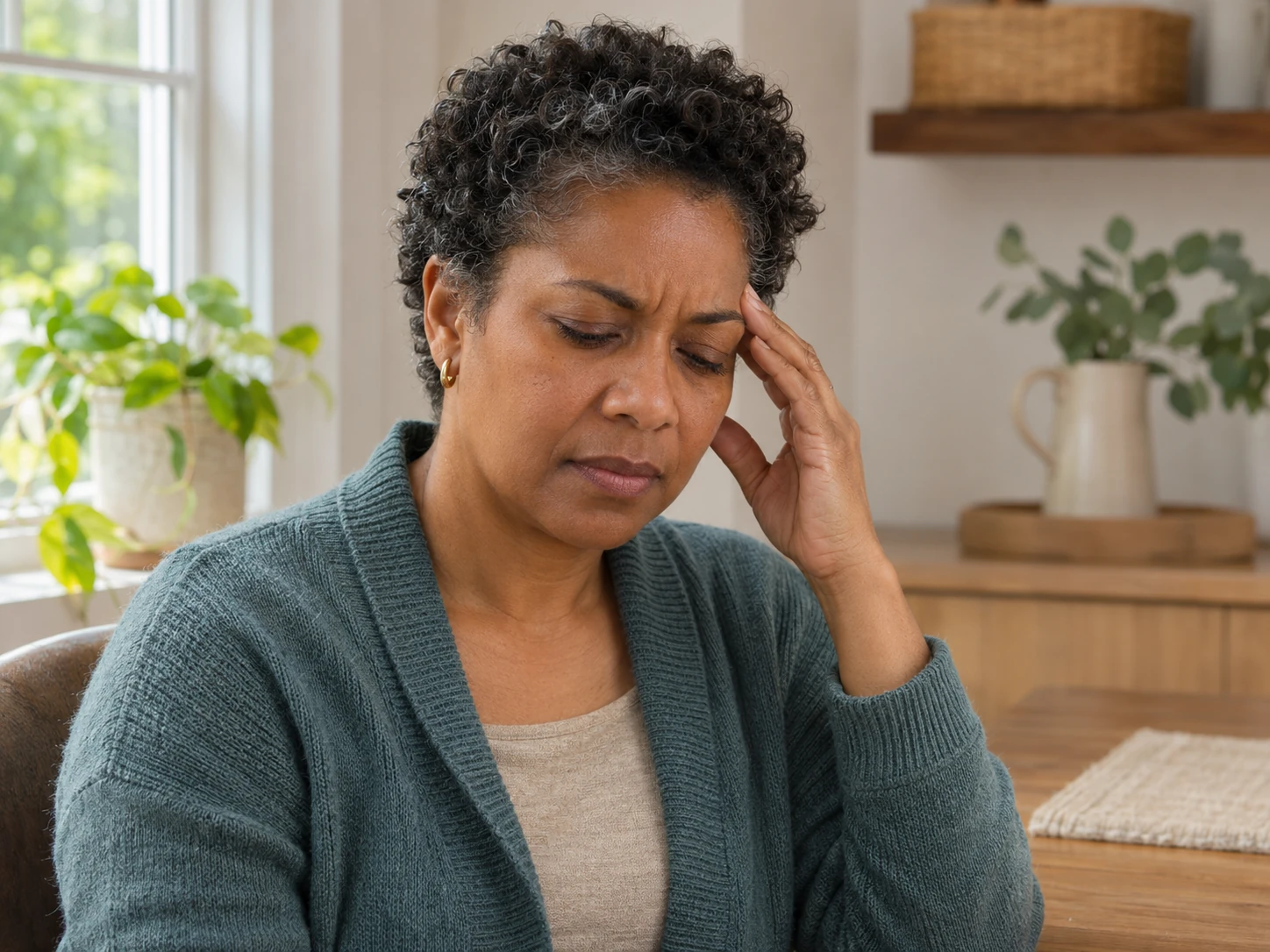
A woman pauses at home with one hand resting lightly against her temple.

Red flags and when to seek urgent care

Call 911 or go to the emergency department for a medical emergency.
  • Sudden, severe headache reaching maximum intensity within seconds or minutes
  • New weakness, numbness, trouble speaking, confusion, seizure, fainting or severe balance problems
  • Fever with a stiff neck, severe drowsiness or rapidly worsening illness
  • Headache after significant head injury, or with repeated vomiting
  • New severe headache with pregnancy or recent childbirth, major vision change or a painful red eye
  • A substantial change from your usual headache pattern

This general panel cannot assess urgency for you. If you are unsure, call 911 for an emergency or Health811 at 811 for non-emergency health information.

A calm starting point

General health information only. This page does not diagnose a condition or replace an assessment by a qualified clinician. Headache diagnosis is usually based on the story, examination and pattern; a scan is not automatically needed for every headache.

Primary headache disorders

The headache itself is the condition. Migraine, tension-type headache and cluster headache are examples. They can still be disabling and deserve respectful care.

Secondary headache disorders

The headache is a symptom of another problem, such as infection, bleeding, inflammation, pressure change, injury, medication effect or eye disease. Warning features change the urgency of assessment.

Primary and secondary headache comparisonA primary headache has a recurring pattern without another structural cause. A secondary headache is a symptom of another condition and may have warning features.Primaryrecurring pattern · migraine · tensionSecondarynew or changing · another cause possible
This comparison supports questions for a clinician. It is not a self-diagnosis tool.

Common patterns and presentations

People can have more than one headache type, and symptoms can overlap. A pattern over time is often more useful than one painful episode.

Migraine

Often throbbing or pulsating, sometimes one-sided, with nausea or sensitivity to light and sound. Aura can include temporary visual, sensory or speech symptoms.

Tension-type headache

Often pressure or tightness on both sides of the head, sometimes with neck or scalp muscle discomfort. It may be linked with stress, fatigue or prolonged muscle tension.

Medication-overuse headache

Frequent use of acute headache medicines can make headaches more frequent or persistent. The relevant medicine and pattern matter more than a single dose.

Other related conditions

  • Cluster headache and other trigeminal autonomic headaches
  • Neck-related or temporomandibular-joint pain
  • Post-traumatic headache
  • Sinus, eye, dental, sleep or blood-pressure-related symptoms

Symptoms to describe

  • Location, quality, intensity and time to peak
  • Duration, frequency and change from your usual pattern
  • Nausea, vomiting, light or sound sensitivity, aura or tearing
  • Impact on work, school, sleep, movement and relationships

How clinicians assess headache

A clinician may ask about the first headache, the worst headache, the usual headache and any change between them.

1 · StoryTiming, location, triggers, associated symptoms, function and medicines.
2 · ExaminationVital signs and a focused neurologic, eye, neck and general examination.
3 · PatternCompare the pattern with primary headache criteria and warning features.
4 · PlanDiscuss self-management, testing, treatment classes, referral and follow-up.

When imaging may be discussed

Imaging may be considered for a new, changing, unusual or post-traumatic pattern, abnormal examination, sudden onset, symptoms suggesting raised pressure, cancer or immune suppression. Routine imaging is not recommended solely for reassurance when a typical migraine pattern, normal examination and no red flags are present.

When referral may help

Neurology or a headache clinic may be considered for diagnostic uncertainty, disabling or difficult-to-control headaches, unusual aura, suspected secondary causes, medication-overuse patterns or complex pregnancy and pediatric situations.

Life stages and context

Children and teens

Children may describe headache differently and may have abdominal symptoms, pallor, sleep change or school impact. Sudden headache, fever with a stiff neck, neurologic change or head injury needs urgent assessment.

Pregnancy and postpartum

A new, severe or changing headache during pregnancy or after birth deserves clinical assessment. Vision changes, high blood pressure symptoms, weakness, seizure or severe abdominal symptoms increase urgency.

Older adults

New headache later in life, jaw pain with chewing, scalp tenderness, fever, vision change or weight loss can have causes needing prompt assessment.

Sleep, mood and substance use

Sleep disruption, anxiety, depression, trauma, caffeine changes, alcohol and other substances can affect headaches and coping. These are relevant health topics, not judgments.

Practical preparation and self-management

The goal is to make the pattern visible and support function. Avoid making major medication changes based on this page alone.

Headache diary prompts

  • Headache-free, mild, moderate or severe day
  • Start time, duration and time to peak
  • Associated symptoms and possible triggers
  • Medicines or substances used and whether they helped
  • Sleep, meals, hydration, menstrual cycle, stress and activity
  • Effect on work, school, caregiving and daily life

Supportive habits to discuss

  • Regular sleep and meals that fit your life
  • Hydration and gradual caffeine changes
  • Movement, pacing and neck or jaw comfort
  • Quiet, dark or cool space during an attack if helpful
  • Stress, mood, trauma and substance-use support

Private visit-preparation checklist

This checklist stays in memory and resets when the page reloads. Do not enter personal health information.

Medication classes as discussion topics

Do not start, stop or change a medicine based on this page. A clinician or pharmacist may discuss options based on the headache pattern, other conditions, pregnancy plans, interactions and access.

Acute treatment classes

Examples include non-opioid pain-relief classes, migraine-specific medicines and medicines for nausea. The choice and safe frequency depend on the person and the headache.

Preventive treatment classes

Options may include medicines used for blood pressure, mood, seizures or migraine-specific prevention, as well as selected procedures. These are individualized discussions without doses here.

Safety and overuse

Opioids and combination analgesics are not first-line migraine options. Frequent acute-medicine use can worsen headache frequency; ask how to track use safely.

Pregnancy and interactions: Some headache medicines are not suitable during pregnancy, breastfeeding or with certain heart, eye, kidney, liver or mental-health conditions. Review every prescription, over-the-counter product and supplement.

Questions to ask Dr. Eduardo Jacques

  • Does this pattern sound more like a primary headache or could there be another cause?
  • What details from my diary are most useful?
  • Do I need an eye, neurologic or other examination?
  • Would imaging or referral be useful, and what question would it answer?
  • Could medication use, sleep, caffeine, mood or another condition be contributing?
  • Which treatment classes should we discuss for attacks or prevention?
  • How can we avoid medication-overuse headache?
  • What changes should prompt a call, urgent visit or 911?
  • Which services may be publicly funded, program-dependent or private?
  • When should we review the pattern and next step?

Watch and learn

Short videos from hospitals and health organizations I trust. Watch at your own pace, and bring your questions to your next visit.

Video thumbnail for Managing Migraine: Safe Treatment and Prevention Strategies

Managing Migraine: Safe Treatment and Prevention Strategies

McMaster Optimal Aging Portal (McMaster University) Canadian source

Short video

A headache neurologist explains how medication and daily habits work together to manage migraine.

Watch on YouTube

Video thumbnail for #098 MIGRAINE is not just a HEADACHE. Learn what it is and how to treat it.

#098 MIGRAINE is not just a HEADACHE. Learn what it is and how to treat it.

Dr. Andrea Furlan (Toronto pain physician) Canadian source

Video

Explains what migraine is, how attacks are treated and how to prevent them.

Watch on YouTube

These videos are for general education and do not replace advice from your own doctor. If you have urgent symptoms, call 911 or go to the nearest emergency department.

What to bring

Bring a short headache timeline, your medicines and supplements, and any reports that relate to vision, injury or previous testing. Do not enter personal health information into this public page.

  • Headache diary or a short timeline
  • Prescription, over-the-counter, supplement and caffeine list
  • Previous imaging, eye reports or specialist letters
  • Notes about injury, fever, pregnancy or postpartum timing
  • One or two appointment goals
  • Interpreter, accessibility or support-person needs
  • Questions about cost, coverage or referral wait times
  • Health card or identification if the clinic requests it

Care and coverage in Ontario

Eligibility, wait times and costs vary. Confirm the exact service, referral requirement and fee directly with the clinic, hospital, pharmacist or program.

What OHIP-insured care may include

OHIP generally covers medically necessary insured physician services and insured hospital services. A headache assessment may involve a primary-care visit, emergency care, specialist assessment or medically necessary testing, depending on the clinical situation.

What may be outside OHIP

Some private headache programs, allied-health visits, complementary services, forms, devices and selected tests may be privately paid, employer-insured or program-dependent. Do not assume a service is covered because it is recommended.

Medication pathways

Prescriptions outside hospital are generally not covered by OHIP. ODB, OHIP+, Trillium, Exceptional Access and private plans have different rules and eligibility. Ask a pharmacist to confirm the current pathway.

Toronto and Ontario navigation

  • Health811: call 811 for non-emergency nurse advice and service navigation.
  • John H. Kreeft Headache Clinic: Ontario specialist clinic information and referral criteria.
  • Migraine Canada: Canadian education and diary resources.
  • Toronto hospitals and community health centres may have different referral and access rules.

Trusted sources

Canadian sources are listed first. U.S., European and international sources supplement them. Links were opened and checked on 20 November 2026; recommendations, access and update dates can change.

Institute of Health Economics / TOP · Primary Care Management of Headache in AdultsCanada · Clinical practice guideline · migraine, tension-type, cluster, medication-overuse headache, assessment, imaging and referral. Published 2016; older guideline, used with newer sources.
Choosing Wisely Canada · Headache recommendationsCanada · Recommendation · avoid routine neuroimaging without red flags and avoid opioids as first-line migraine therapy.
Migraine Canada · Discussion guideCanada · Patient education · red flags, goals, symptom clusters and visit prompts.
Migraine Canada · Headache diaryCanada · Patient education · tracking frequency, symptoms, medicines and patterns.
London Health Sciences Centre · John H. Kreeft Headache ClinicCanada · Ontario specialist service · referral context and urgent secondary-headache pathway.
HealthLink BC · Migraine headachesCanada · Government patient education · symptoms, diagnosis, diary and warning signs.
HealthLink BC · Headaches in childrenCanada · Government patient education · pediatric migraine, tension headache and urgent signs.
Canadian Paediatric Society · Acute migraine in children and adolescentsCanada · Practice point · pediatric emergency-care context; no doses are reproduced here.
American Headache Society / AAN · 2026 migraine prevention updateUnited States · Joint practice guideline update · prevention evidence and medication-class comparison.
American Headache Society · Overview of migraine diagnosisUnited States · Clinical education · diagnosis and when neuroimaging is not indicated.
NICE CG150 · Headaches in over 12sUnited Kingdom · Guideline · assessment, headache diary, red flags, imaging and referral. Last updated June 2025; reviewed September 2026.
International Headache Society · ICHD-3International academic classification · primary versus secondary headache and diagnostic criteria. ICHD-4 work is in progress.
ICHD-3 full reference PDFInternational academic reference · classification criteria and related headache disorders.

Printable resources

These original PDFs were clinically reviewed for publication. They include selectable text, source links, version information and no PHI fields or uploads.

Patient education guideCommon patterns, assessment, red flags and Ontario pathways.
Clinically reviewed · v1.0
Questions for a clinicianPrompt sheet for diagnosis, testing, treatment and follow-up.
Clinically reviewed · v1.0
Headache diary templatePattern-tracking template without name, DOB, address or health-card fields.
Clinically reviewed · v1.0
Ontario and Toronto resourcesHealth811, specialist pathways and coverage questions.
Clinically reviewed · v1.0
Topic reference guideCanadian-first source map and limitations.
Clinically reviewed · v1.0

Review status

Last research verification
20 November 2026
Medical-review status
Clinically reviewed for publication
Clinical reviewer
Dr. Eduardo Jacques
Publication state
Published