
Reduce risk
Smoking, alcohol, activity, nutrition, sun protection, vaccination and safer exposures can be discussed without blame.
Ontario patient guide
Explore ways to reduce cancer risk, find out which screening conversations may apply to you, and learn what to do about symptoms or a result that needs follow-up.

Clinically reviewed by Dr. Eduardo Jacques on .
Screening is a conversation about possible benefit and harm. This guide provides general health information.
Cancer is not one disease, and screening is not one test. The useful starting point is to separate prevention, screening, symptom assessment, diagnosis, treatment and survivorship.
Screening is intended for people who feel well and have no related symptoms.
Explore Ontario screening optionsA symptom, lump, bleeding or concerning change may call for a clinical assessment.
See when to seek careSmoking, alcohol, activity, nutrition, sun protection, vaccination and safer exposures can be discussed without blame.
Anatomy, age, family history, previous results, tobacco exposure and health goals can change the conversation.
A new or persistent symptom needs clinical attention even if no population screening test applies.
Care may include oncology, primary care, rehabilitation, mental-health, practical and community supports.
The cards show Ontario programs. Eligibility and possible benefit depend on your situation. A family history, previous cancer, genetic condition, immune status or symptoms may move someone out of an average-risk pathway.
Age ranges are one part of eligibility for people without symptoms.
Mammogram
HPV test. Many can stop after a negative test at 65–69.
Stool test (FIT) for people at average risk
Low-dose CT if a program risk assessment confirms eligibility

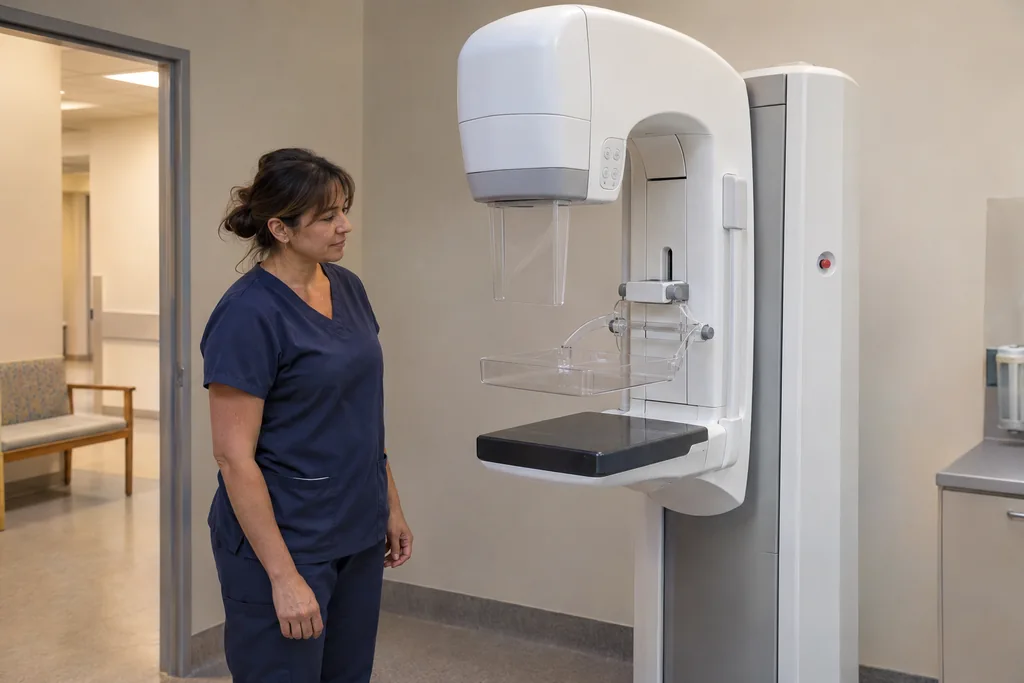
Test: mammography through the Ontario Breast Screening Program.
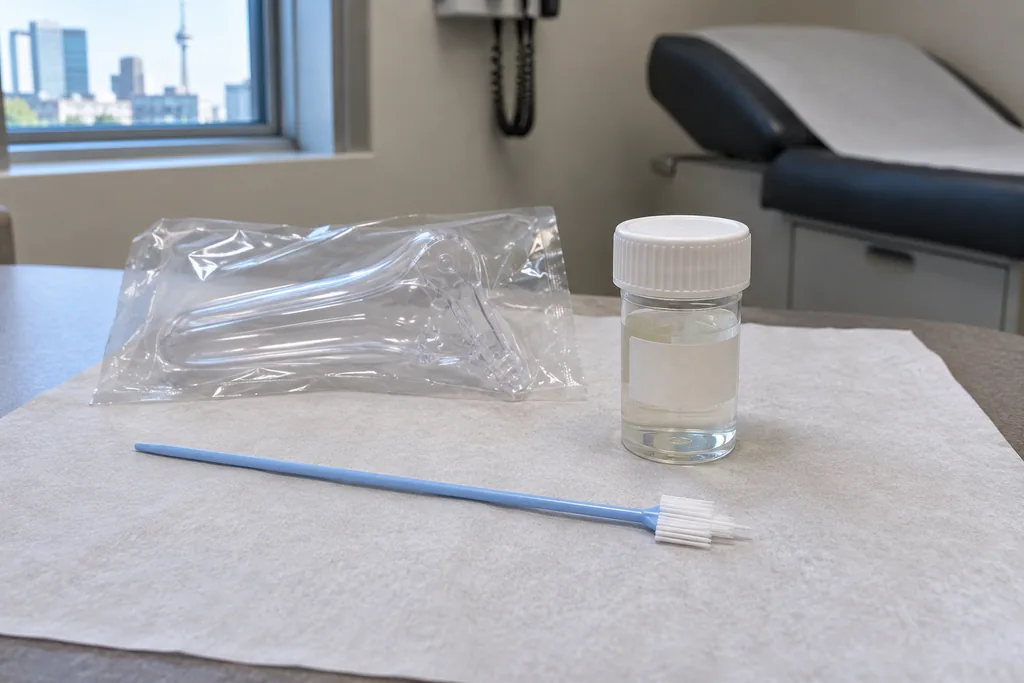
Test: HPV-based cervical screening through the Ontario Cervical Screening Program.

Test: usually a fecal immunochemical test (FIT) at average risk; colonoscopy may be used for increased risk or follow-up.
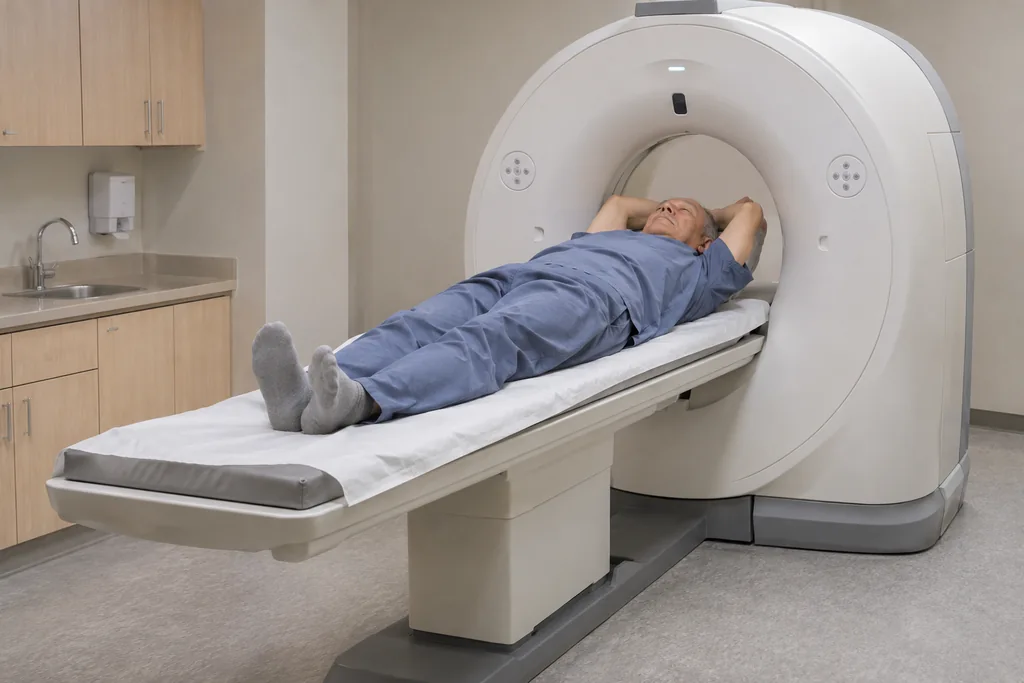
Test: low-dose CT through the Ontario Lung Screening Program when high-risk criteria are met.
Test: PSA blood testing is a separate conversation, not an automatic screening step.
There is no recommended population screening test for every organ or cancer type.
Prevention is not a promise that cancer will never happen. It is a way to discuss modifiable exposures and practical support while recognizing that age, family history, biology and chance also matter.


Start with goals, culture, access, work, stress, sleep, pain and what change feels realistic.
Talk about tobacco or nicotine, alcohol, UV exposure, radon, workplace exposures and second-hand smoke.
Ask about HPV and hepatitis B vaccination and safer-sex strategies where relevant.
Discuss movement, nutrition, sleep and weight in a non-stigmatizing, health-focused way.
Use anatomy, age, family history, past results and preferences to identify which screening conversations may be appropriate to discuss.
Before any test, ask how results will arrive, who will review them, and what happens if they are normal, unclear or abnormal.
Quitting or reducing exposure is one of the most important cancer-prevention conversations. Support can include counselling, medications and quit services when appropriate.
Risk can increase with alcohol. Ask for a confidential, practical conversation that respects your goals and circumstances.
HPV and hepatitis B vaccination can reduce the risk of some cancers. Eligibility and catch-up options vary.
Use sun protection and follow workplace controls for carcinogenic substances, dusts, fumes and radiation.
Regular activity and a varied, nutrient-rich eating pattern can support overall health and may lower risk for some cancers.
Record which relative had which cancer and their approximate age at diagnosis. Patterns can matter more than one isolated diagnosis.
Language, disability, transportation, cost, stigma and prior experiences can all affect screening. Ask for an accessible pathway.
Fear of cancer can be heavy. A clinician, navigator or counsellor can help make decisions without shame or pressure.
Bring what you know about parents, siblings, children and grandparents: cancer type, side of the family, approximate age, multiple cancers, bilateral disease, rare cancers, and any genetic test results. If details are incomplete, say so. A clinician can help decide whether a genetics or high-risk referral is worth discussing.
Ontario publicly funds clinical genetic testing for inherited cancer risk when provincial criteria are met. Ask your doctor about a referral to a cancer genetics clinic to review your history, confirm eligibility and choose a test.
Consumer DNA kits are paid for privately. Ask your doctor or a genetic counsellor to review any health-related findings before you use them to make care decisions.
Dr. Eduardo Jacques has no commercial affiliation with these companies and receives no compensation from these links.
Family history can be important, but many people who develop cancer have no known family history. A risk discussion supports decisions; it does not predict what will happen to one person.
A PSA result is not a yes-or-no cancer test. It can be raised for reasons other than cancer, and a lower result cannot rule cancer out. The Canadian Task Force, USPSTF and ACS use different approaches, so the source and the uncertainty matter.
A small or uncertain chance of finding a clinically important cancer earlier.
False positives, repeat tests, biopsy, overdiagnosis, anxiety and treatment effects such as urinary, bowel or sexual problems.
Urinary frequency, weak stream, urgency or nocturia can have several causes, including benign prostate enlargement, infection and cancer. A symptom assessment is not the same as screening a person who feels well.
Seek prompt assessment for visible blood in urine or fever with urinary symptoms. Sudden inability to pass any urine needs emergency assessment.
Read the Canadian Task Force PSA FAQ ↗These symptoms commonly have causes other than cancer. They are listed because persistence, progression or a combination of changes deserves a clinical conversation.

Call 911 for severe trouble breathing, chest pain, collapse, sudden neurologic symptoms or heavy uncontrolled bleeding.
Seek urgent assessment for coughing or vomiting blood, black or bloody stool with weakness or fainting, new severe abdominal pain, or a rapidly worsening symptom.
If a screening letter or clinic message says follow-up is urgent, use the named clinic or primary-care pathway. An abnormal result is not the same as a cancer diagnosis, but it should not be ignored.
The exact next step depends on the test, the degree of abnormality, symptoms, family history and local program rules. Ask who owns the follow-up and how you will be contacted.
Confirm which test was done, what the report says, whether it is a screening or diagnostic result, and who sent it.
Ask whether the finding is abnormal, inadequate, indeterminate or simply needs routine follow-up. An abnormal screening result needs follow-up. The next test can help explain what the screening test found.
Depending on the anatomy, this may include repeat testing, diagnostic imaging, colposcopy, colonoscopy or another examination.
A biopsy or specialist assessment may be needed to establish a diagnosis. A screening test alone cannot stage cancer.
If cancer is found, ask about the type, stage, treatment choices, supportive care, navigation and how primary care will be involved.
Abnormal mammography may lead to additional breast imaging, a breast clinic or biopsy, coordinated through the program or referring team.
Abnormal HPV or cell findings may lead to repeat testing, triage, colposcopy and treatment of precancerous changes when appropriate.
A positive FIT generally leads to colonoscopy or another diagnostic pathway; visible blood or other symptoms may bypass screening.
An abnormal low-dose CT or concerning symptom may lead to repeat imaging, diagnostic imaging, biopsy or a lung/cancer specialist.
Short videos from hospitals and health organizations I trust. Watch at your own pace, and bring your questions to your next visit.
The Ottawa Hospital Canadian source
Short video
A quick look at Ontario's change from the Pap test to the HPV test.
Watch on YouTube
Hamilton Health Sciences Canadian source
Short video
Practical tips for getting ready for a mammogram.
Watch on YouTubeThese videos are for general education and do not replace advice from your current doctor, Dr Eduardo Jacques. If you have urgent symptoms, call 911 or go to the nearest emergency department.
Ontario Health and Cancer Care Ontario provide organized screening, diagnostic and cancer-care pathways. Eligibility, referral requirements, wait times and costs vary, so confirm the details directly.

| Anatomy | Organized program | Conversation to have | If a result is abnormal |
|---|---|---|---|
| Breast | Ontario Breast Screening Program; mammography | Age, risk, family history, prior findings, benefits and harms | Additional imaging, breast assessment or biopsy pathway |
| Cervix | Ontario Cervical Screening Program; HPV-based test | Anatomy, age, screening history, HPV vaccination and symptoms | Repeat/triage testing, colposcopy or treatment pathway |
| Colorectum | ColonCancerCheck; FIT or increased-risk colonoscopy | Age, family history, inflammatory bowel disease and symptoms | Colonoscopy or diagnostic assessment |
| Lung | Ontario Lung Screening Program; low-dose CT for selected high risk | Age, tobacco exposure, risk assessment, health and ability to benefit | Navigator-guided imaging or diagnostic pathway |
Dr Jacques or any other family doctor can review risk, symptoms, screening history, referrals and follow-up. A nurse practitioner or other clinician can also help.
Health811 can help locate services ↗Ontario Health lists screening locations, navigators, regional cancer programs and diagnostic services. Some organized screening options allow self-referral; others need a clinician or program pathway.
Find cancer services ↗OHIP-insured physician and hospital services may include assessment, diagnostics and treatment, but not every service, medication, allied-health service or expense is funded in the same way.
Ask the program or clinic about eligibility, referral requirements, fees, transportation and private coverage.
Ontario’s four organized screening programs have eligibility criteria. OHIP may cover medically necessary physician, hospital and eligible laboratory services. Ontario has specific coverage rules for PSA when prostate cancer is suspected or for eligible cancer treatment and follow-up. Ask about charges for a PSA test done for screening.
Some rehabilitation, counselling or other allied-health services are funded through hospitals or community programs. Service availability, eligibility and private benefits vary. For eligible prescriptions, ask your pharmacist about Ontario Drug Benefit, OHIP+ for eligible people aged 24 or younger without private drug coverage, Trillium for qualifying households with high prescription costs, or your private plan.
What OHIP covers · Ontario prescription coverage · Ontario PSA information
Survivorship can begin at diagnosis or after active treatment, depending on the person. A good plan names needs, responsibilities and ways to reconnect when symptoms or concerns arise.
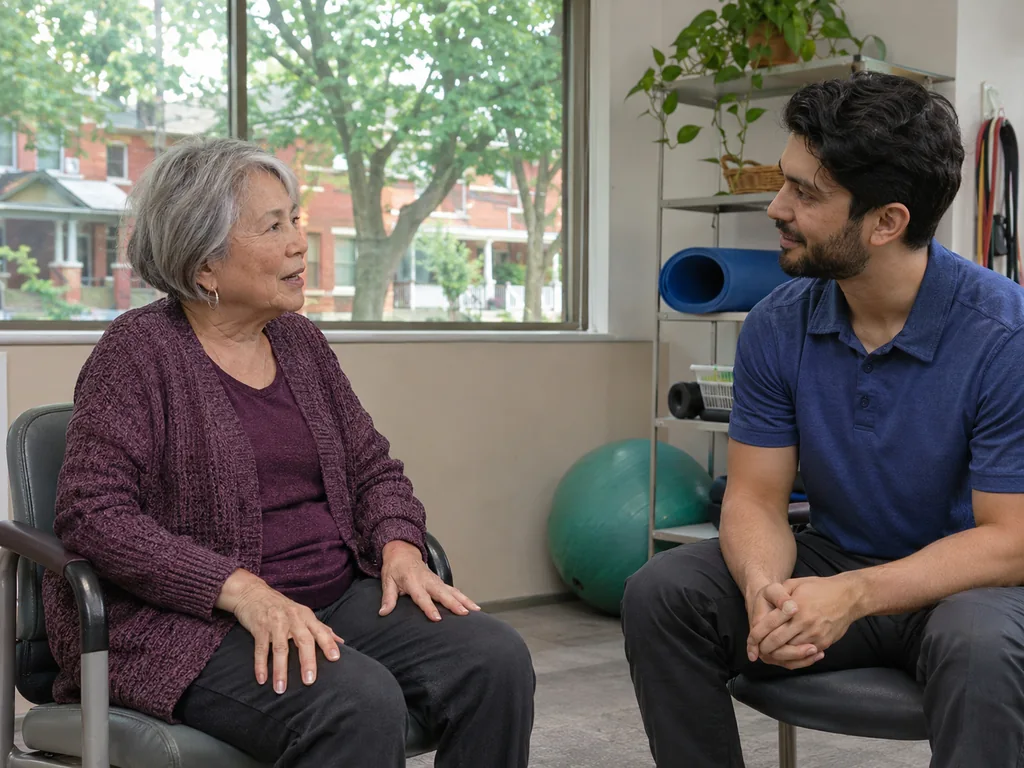
Ask about pain, fatigue, sleep, nutrition, movement, neuropathy, lymphoedema, fertility, menopause, bladder, bowel and sexual health.
Anxiety, grief, depression, fear of recurrence and caregiver strain are health concerns worth naming, not signs of failure.
Keep a treatment summary, medication list, pathology or imaging reports when provided, and a written follow-up or survivorship plan.
Ask your cancer team or primary-care clinician about local support. Contact the program for its referral and eligibility requirements.
Choose only the questions that matter most. Ticks stay in this page’s memory, reset on reload and are never submitted or stored.
0 of 10 questions selected.
This public pilot does not collect health-card numbers, dates of birth, addresses, medical-record numbers, results, uploads or personal readings. Use your own paper or private notes app for private information.
These guides draw on the earlier version of this page, clinically reviewed November 20, 2026.
Ontario program sources guide local decisions. International guidance provides comparison.
Clinically reviewed by Dr. Eduardo Jacques on .
Sources last verified .
